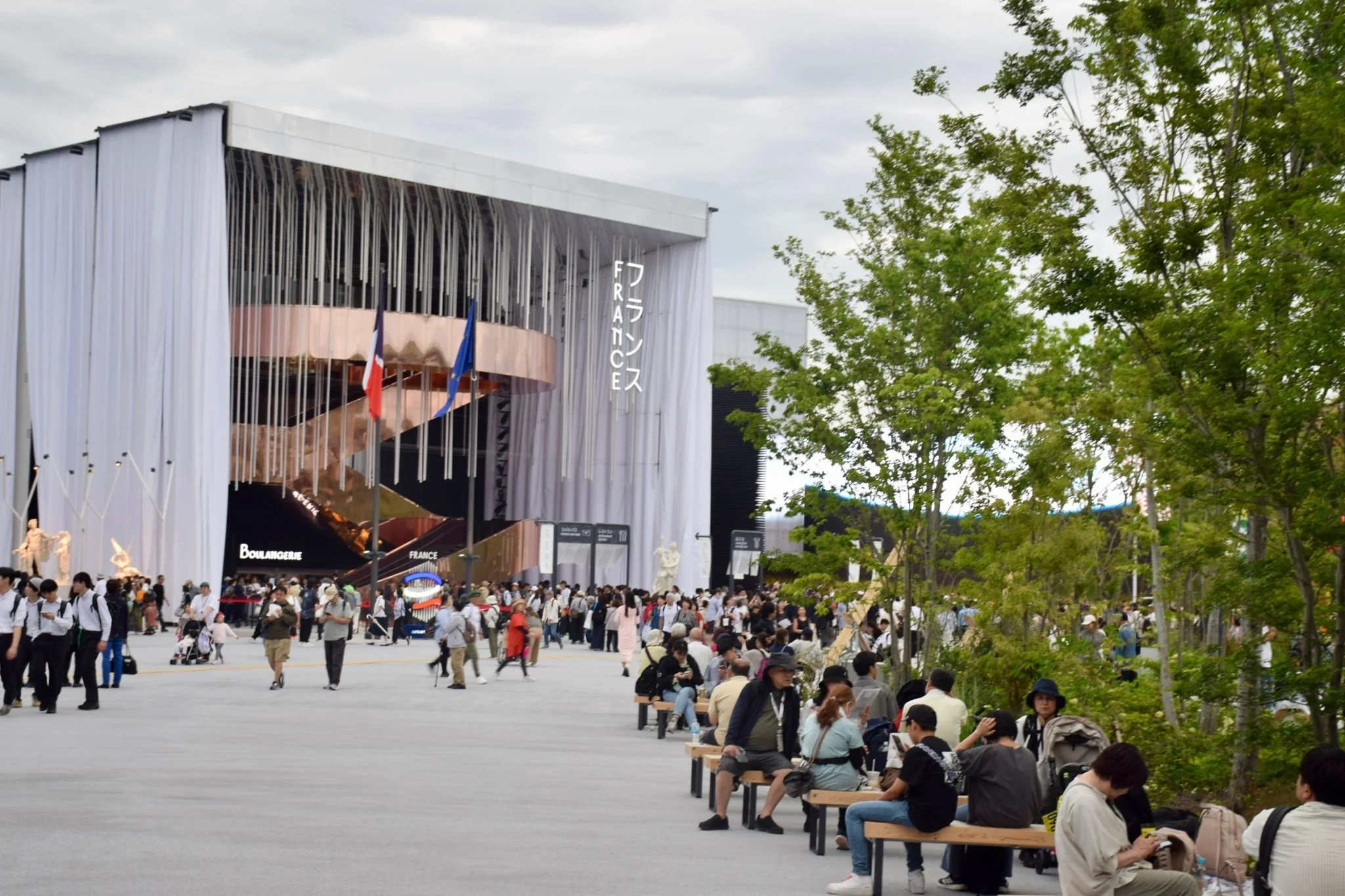
In May 2025, we spent several days at Expo 2025 Osaka – a six-month world exposition on Yumeshima Island themed “Designing Future Society for Our Lives”. Bringing together countries and organisations from around the world, the Expo sets out to explore how we might save, empower and connect lives in a rapidly changing global context.
Set on a man-made island in Osaka Bay, the precinct is organised around the now-iconic Grand Ring – a 2-kilometre-long timber structure by Sou Fujimoto that hovers over land and water. Recognised as the world’s largest wooden architectural structure at around 60,000 m², the Grand Ring is both a unifying gesture and an extraordinary feat of engineering, showcasing the potential of contemporary mass timber at an urban scale.
For us, the experience highlighted a real tension: on one hand, Expo Osaka is an extraordinary feat of planning, urban design and construction; on the other, it inevitably raises questions about short-term spectacle, embodied carbon and what happens to such large-scale sites once the six-month event ends.
After the Expo closes, the precinct will be dismantled and the island is set to transition into a major international tourism hub anchored by an integrated resort and casino. That shift brings the environmental cost, waste streams and long-term legacy of the Expo model into sharp focus.
At the same time, Expo 2025 is a powerful platform for storytelling, soft power and economic development. For emerging economies, a national pavilion offers rare visibility with investors, tourists and global partners. For regions like Kansai, the influx of visitors, jobs and global attention is significant. That balance – between spectacle and sustainability, soft power and carbon cost – is felt everywhere on the ground.
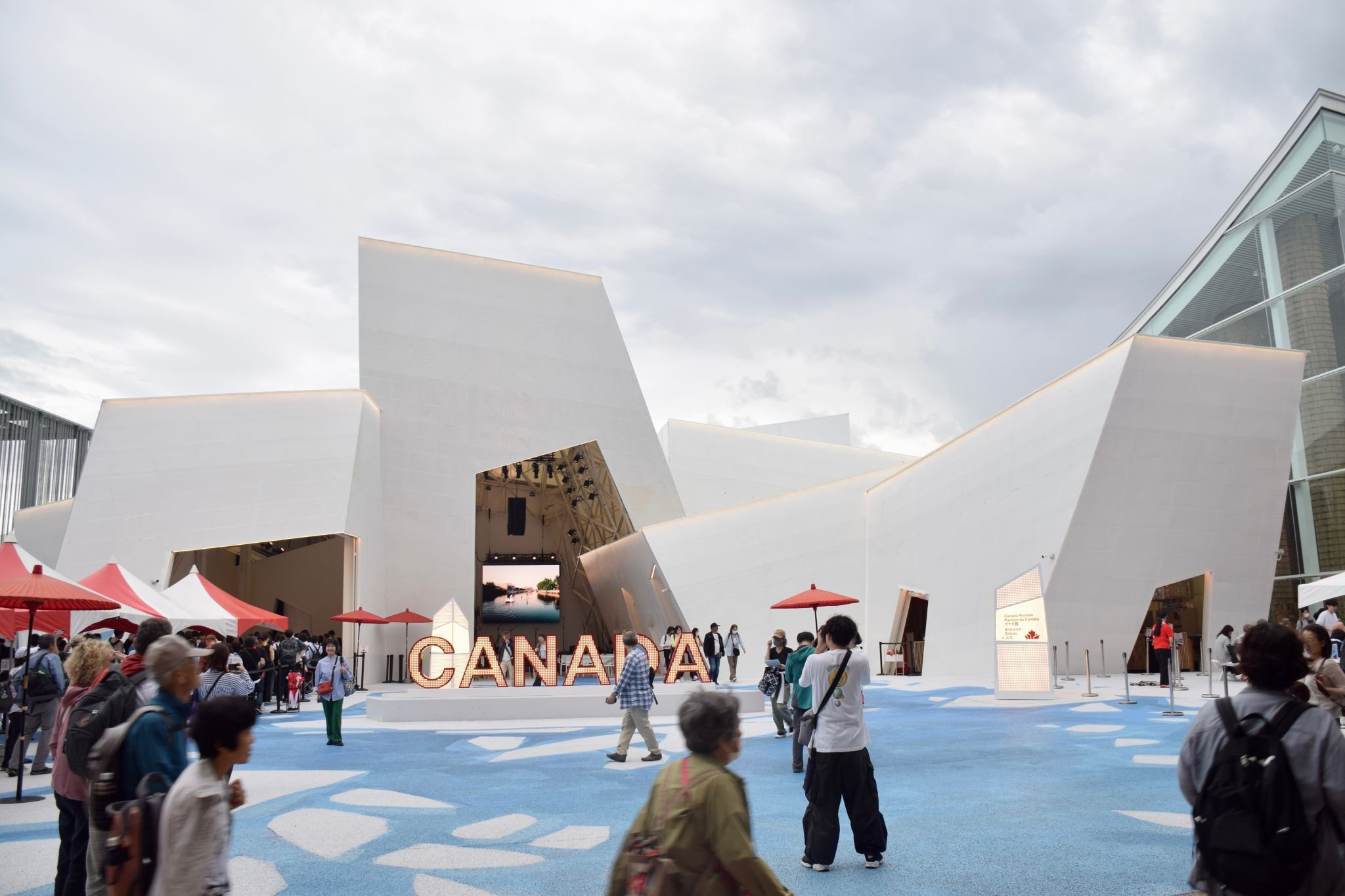
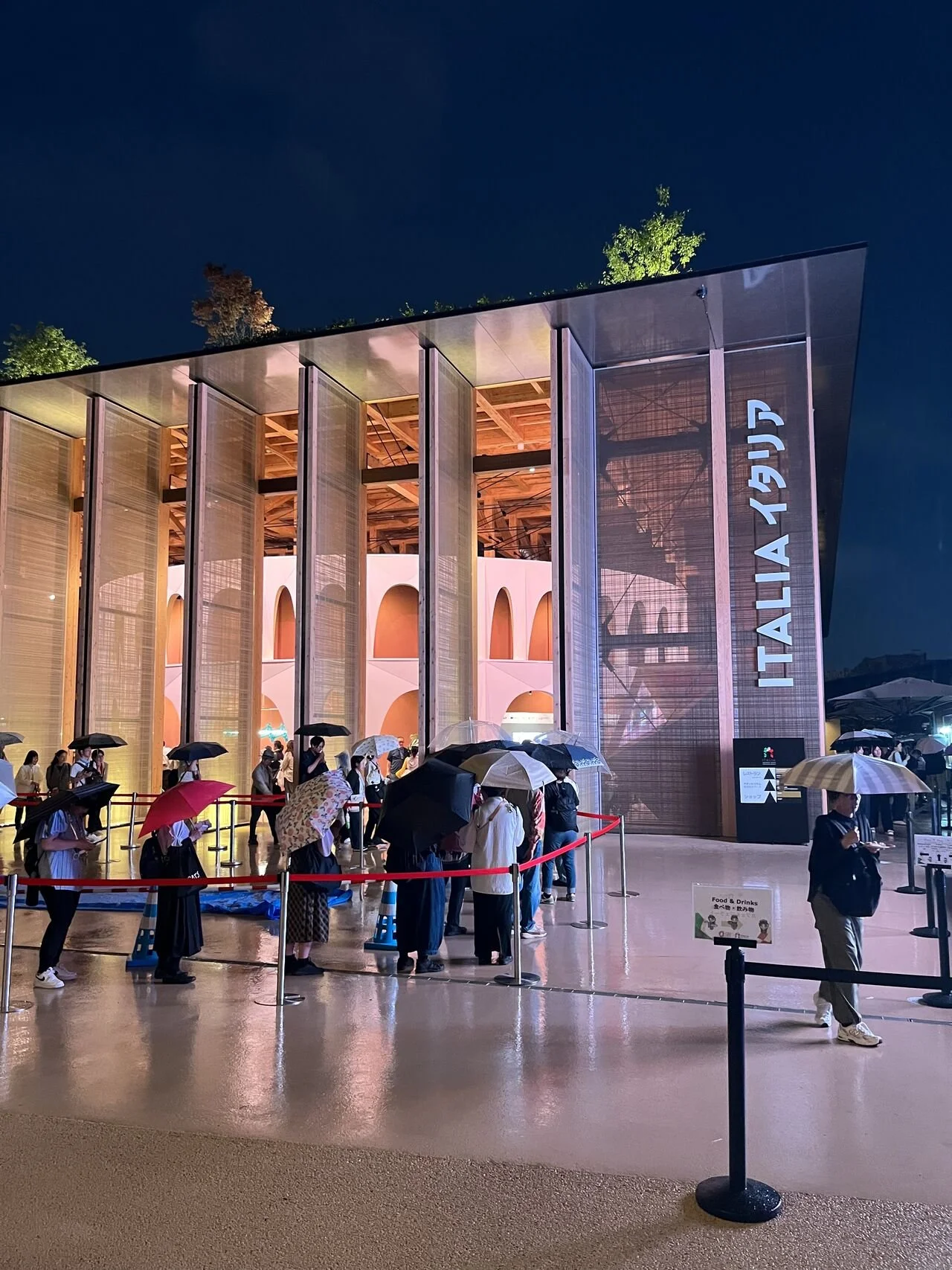
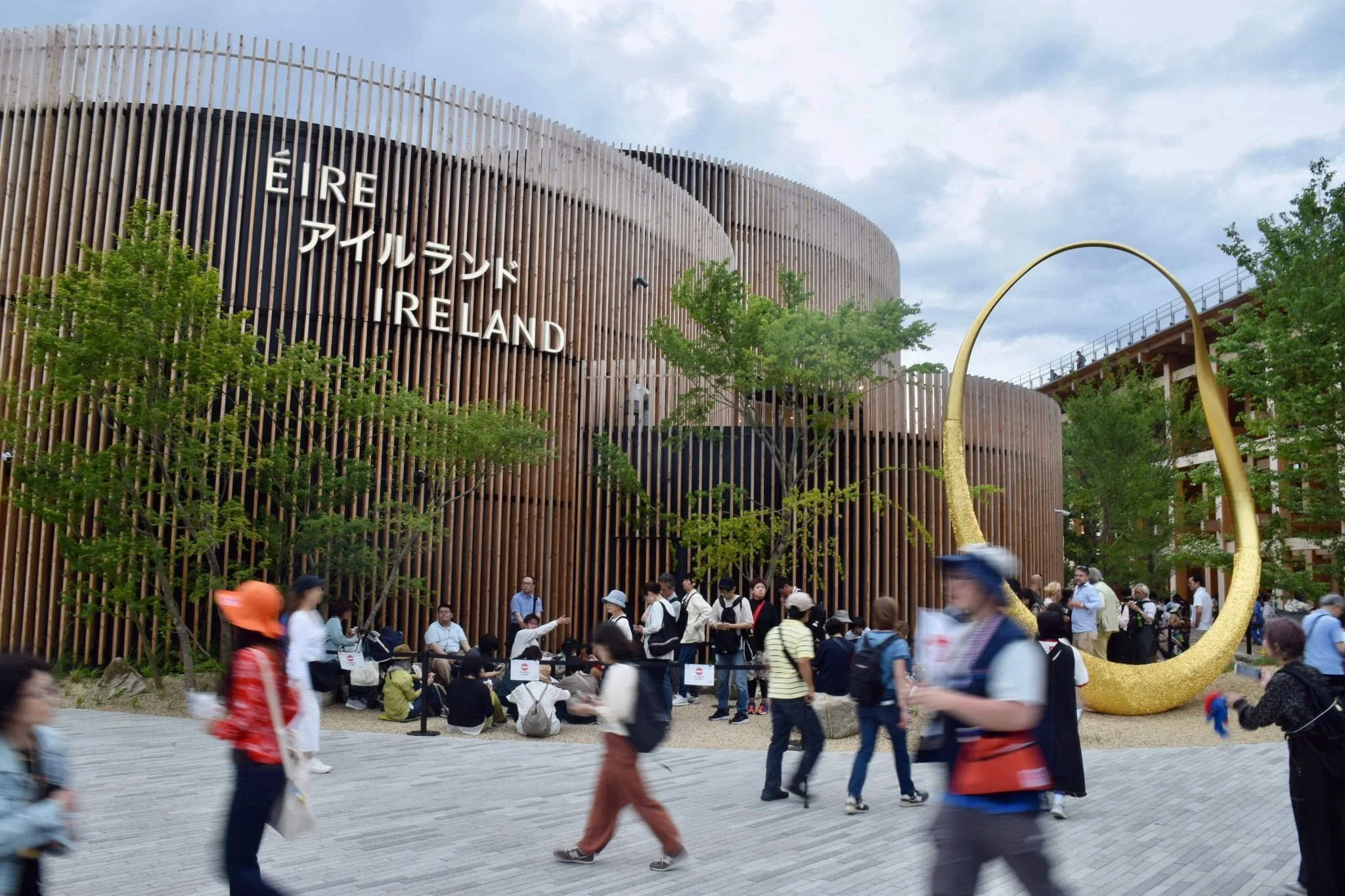
Favourite pavilions: architecture with a clear story
Some of our stand-out pavilions paired ambitious architecture with clear narratives about place, ecology and culture:
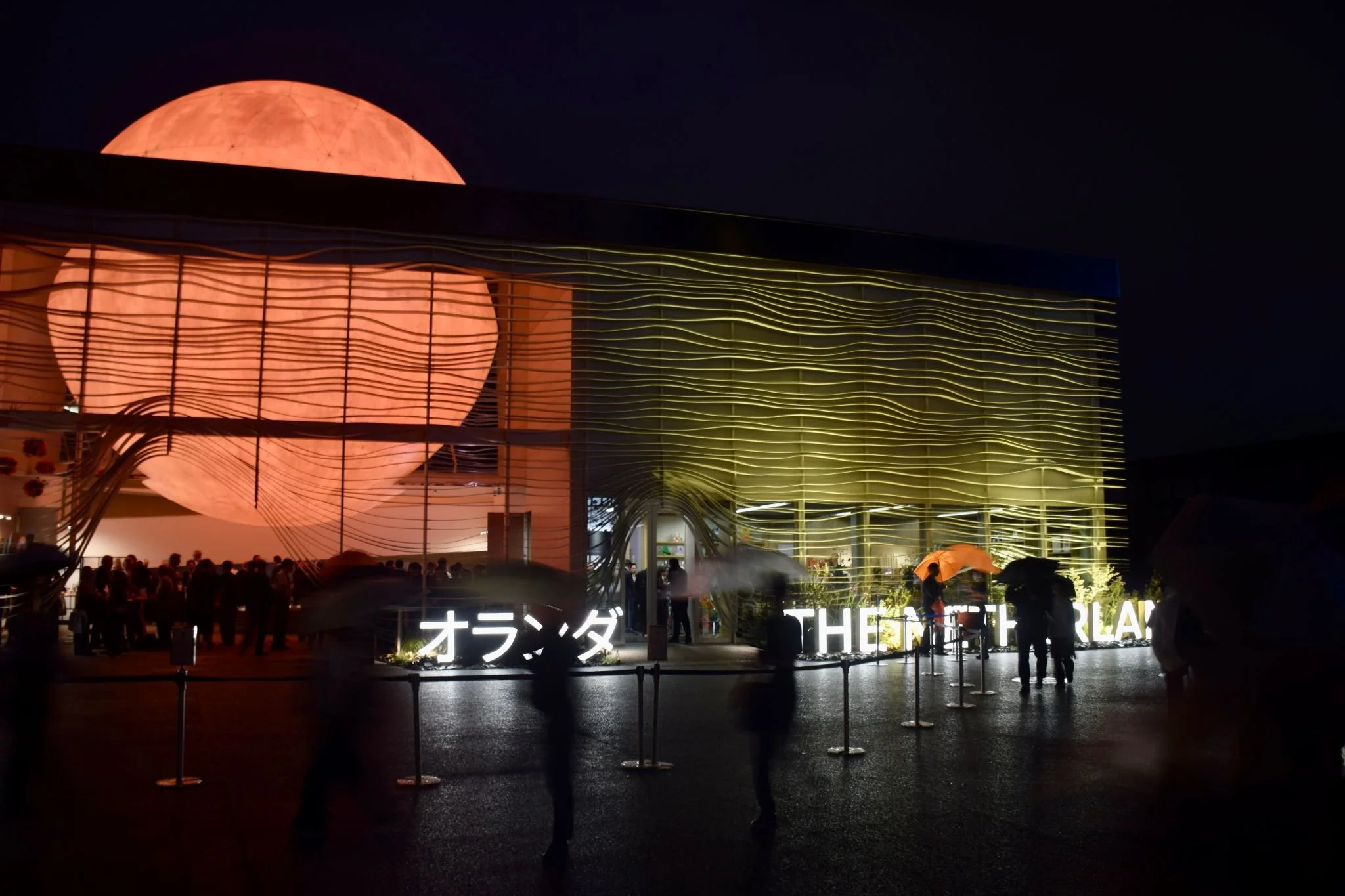
Netherlands Pavilion – RAU Architects
A circular, systems-thinking approach underpins the Dutch Pavilion, which explores “common ground” through reused and reusable materials, integrated water and energy systems, and climate-adaptation strategies. It reads as a living laboratory for how countries can collaborate on climate resilience.
Bahrain Pavilion – Lina Ghotmeh
Drawing on Bahrain’s maritime heritage and Japanese carpentry traditions, the pavilion is a refined, timber-framed structure that evokes a contemporary dhow. It celebrates craftsmanship, trade routes and “connecting seas” through light, texture and a calm, open interior.
Qatar Pavilion – Kengo Kuma & Associates
Here, a delicate white roof form reads like a billowing sail over a timber exhibition volume set within a shallow water table. The design references traditional wooden dhows and shared seafaring histories between Qatar and Japan, while maintaining a minimalist, almost meditative presence.
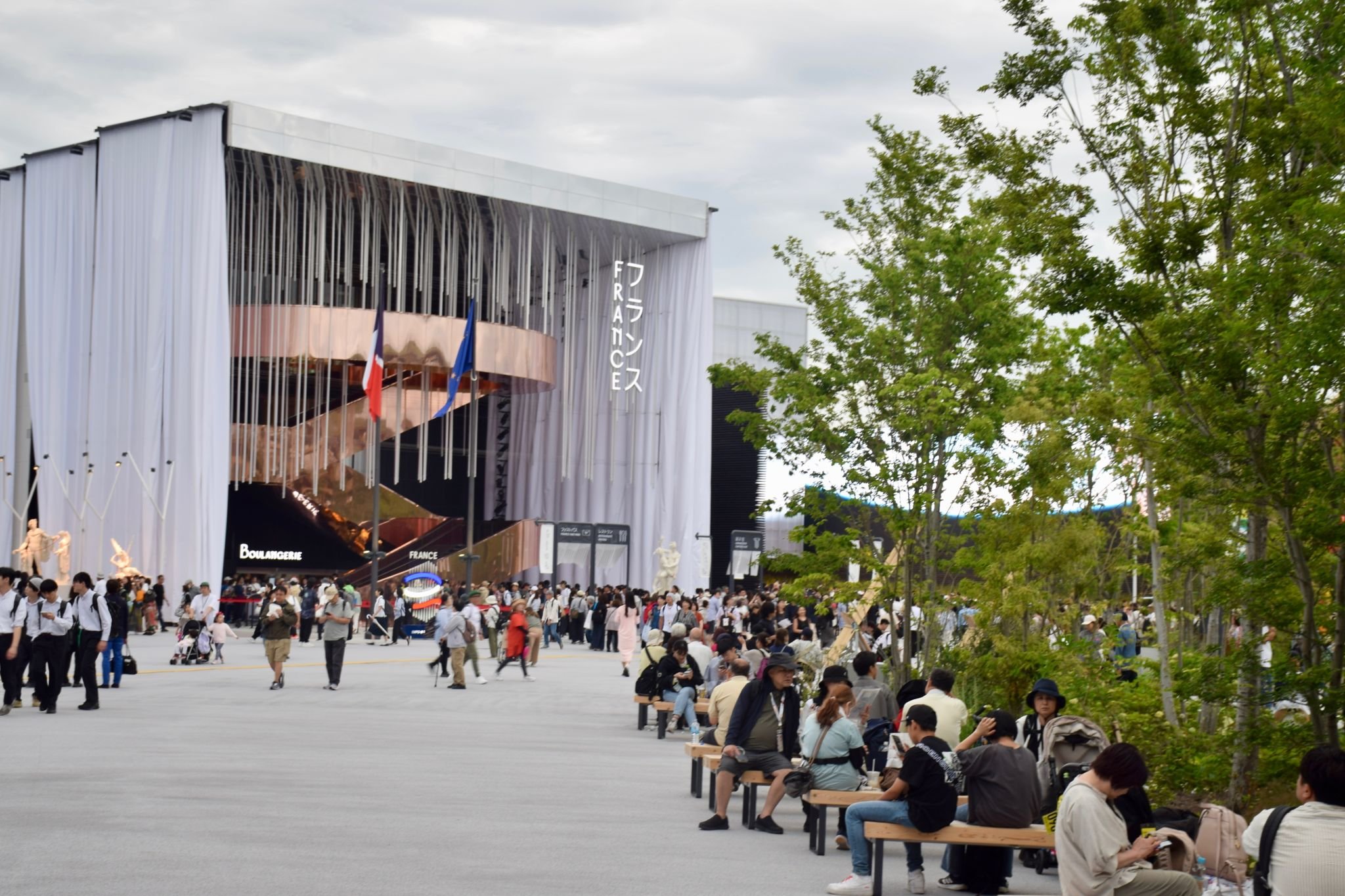
France Pavilion – CRA – Carlo Ratti Associati and Coldefy
Branded as a “Theatre of Life”, the French Pavilion layers veiled façades, tall volumes and an inner garden to frame changing relations between humans, technology and nature. Modular and demountable elements gesture toward a more circular approach to temporary architecture.
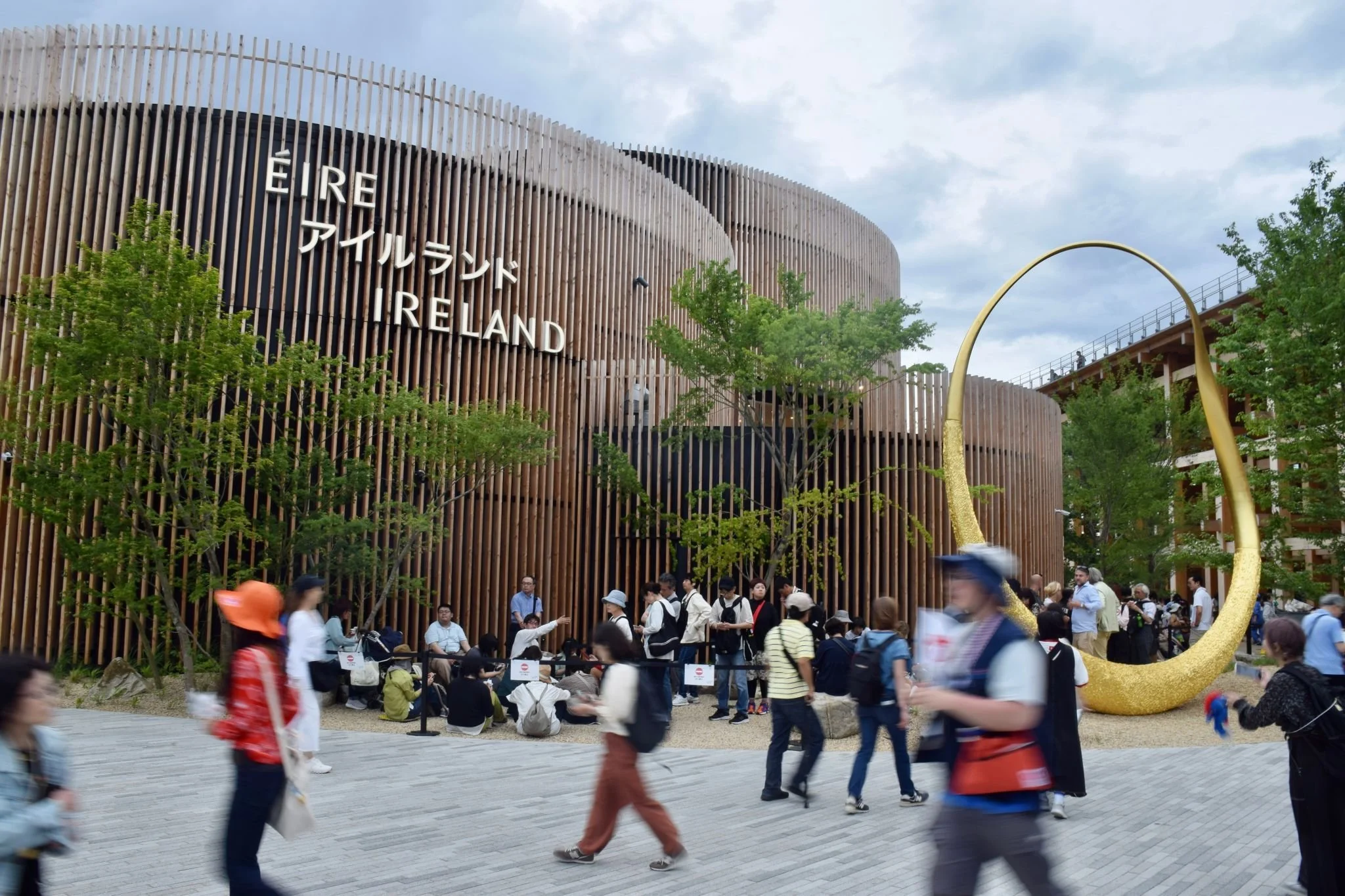
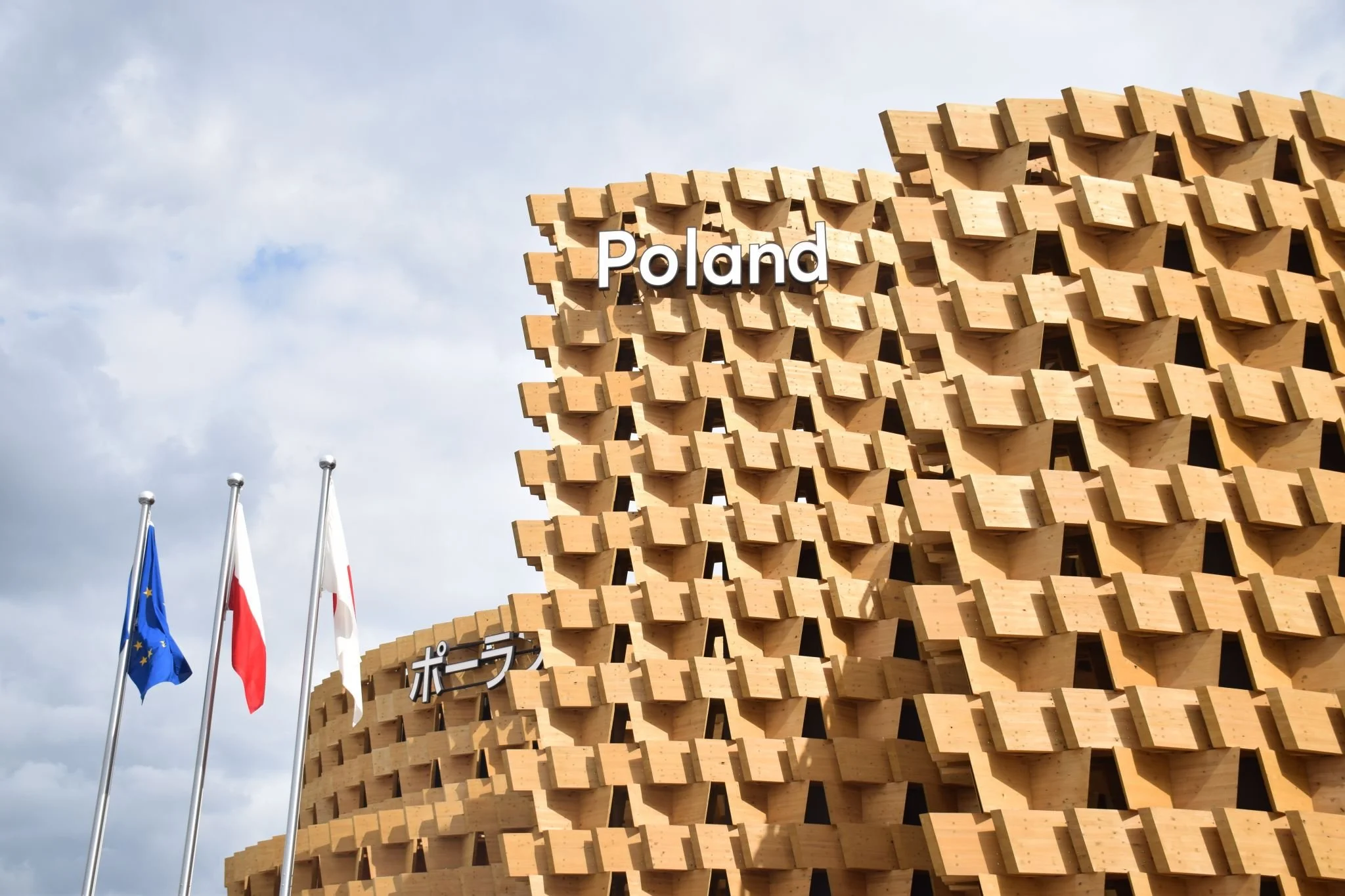
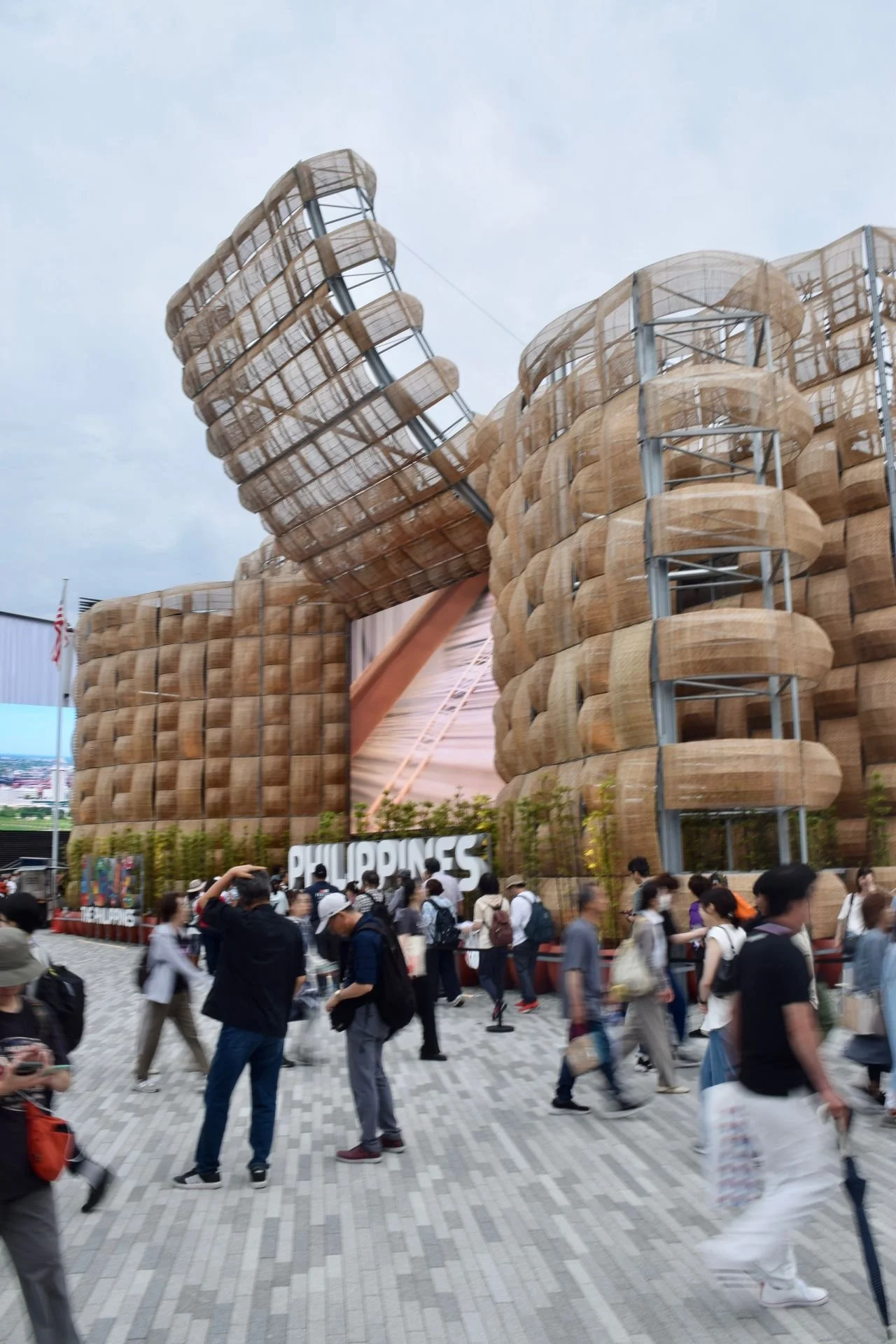
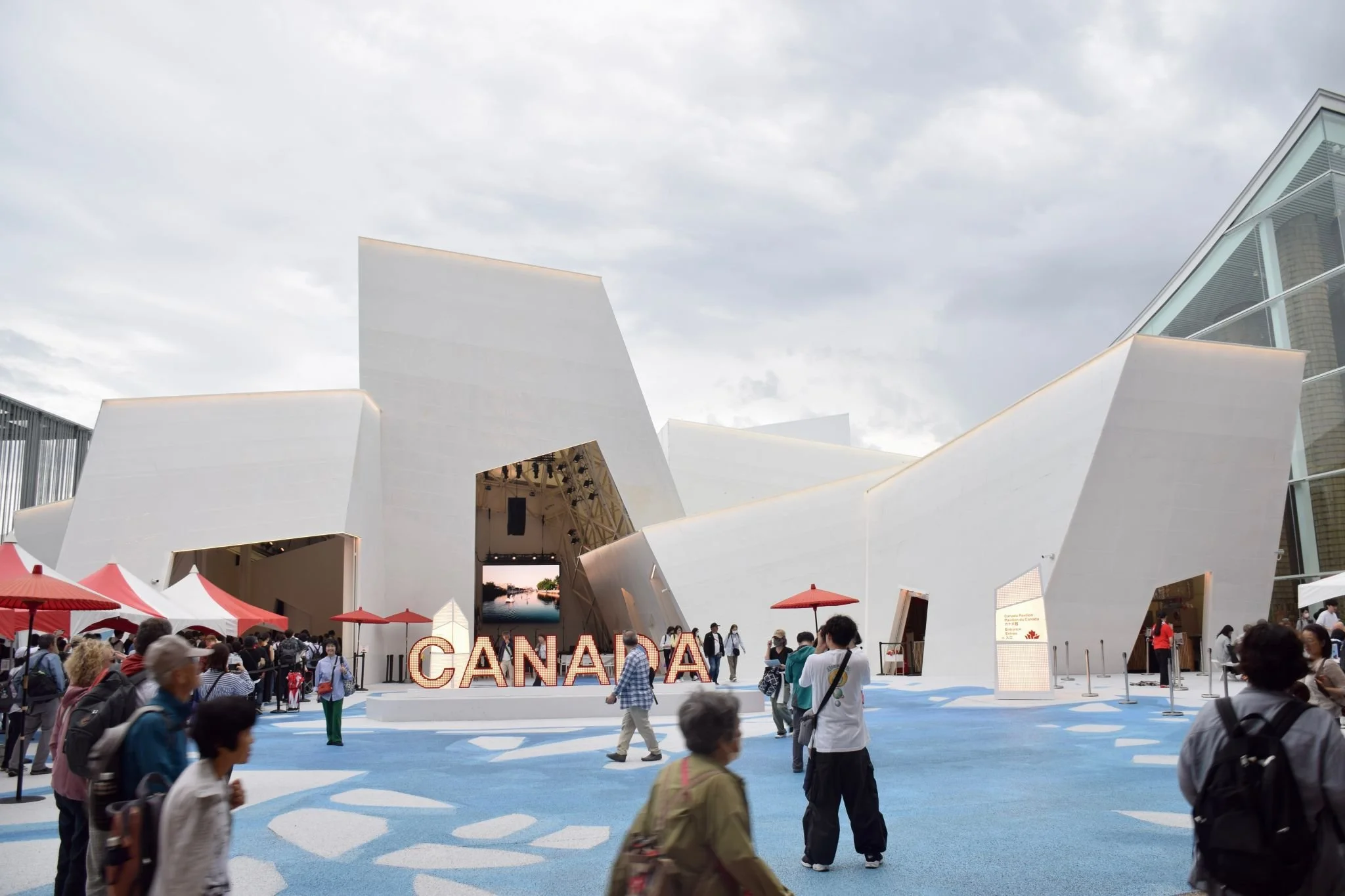
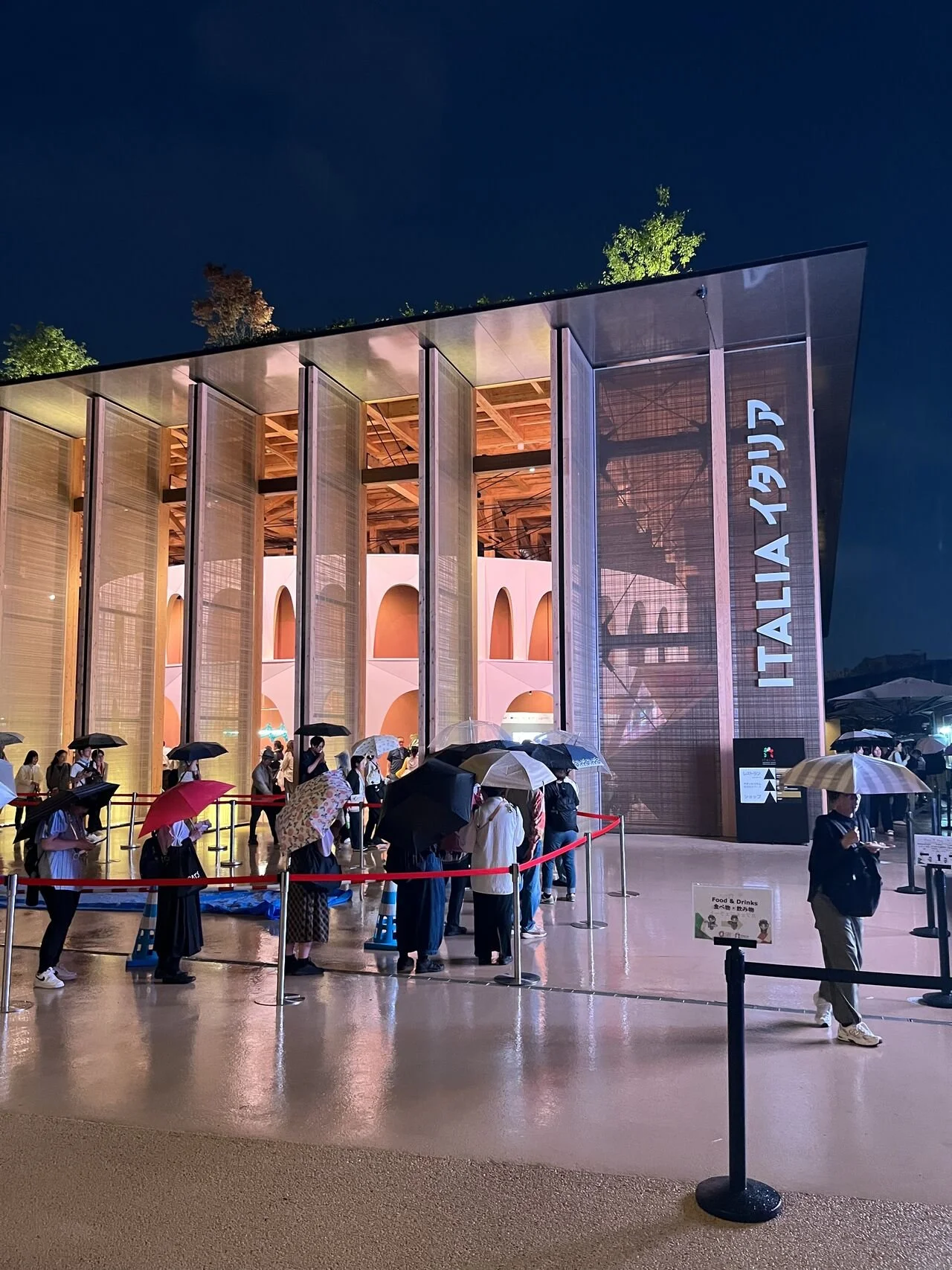
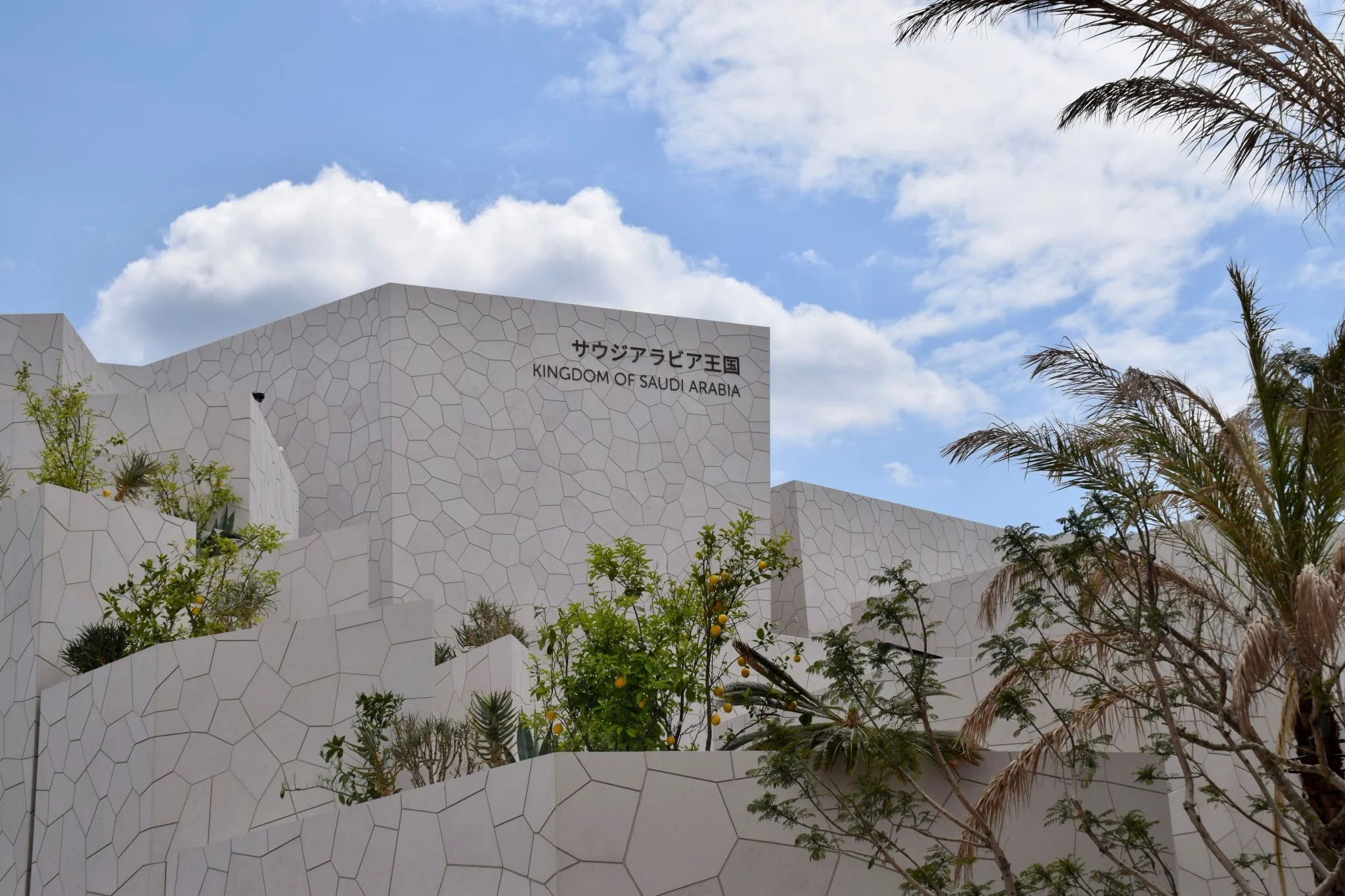
Closer to home, the Australian Pavilion left us with mixed feelings about its architecture, but the immersive digital experience of a living angophora forest inside was a clear highlight. And in true Expo tradition, small comforts mattered too – including the discovery of meat pies, Tim Tams and lamingtons on offer.

What Expos leave behind
From a placemaking and urban strategy perspective, world expos have always been double-edged. They can set the narrative for a city or region for decades – Brisbane Expo ’88 is still referenced in conversations about South Bank – but they can also leave behind challenging transition sites and difficult questions about cost, equity and long-term use.
Osaka is now moving toward that legacy phase: cleaning up the Expo, preparing for the integrated resort, and deciding which parts of the precinct are worth preserving, adapting or dismantling.
For practitioners like us at Reactivate, these kinds of projects are a live test of many of the questions we grapple with every day:
How can temporary structures be designed with genuine second lives in mind?
How do we balance tourism, entertainment and public life in waterfront and island sites?
How do we ensure that large-scale events contribute to everyday urban resilience, not just one-off spectacle?
Our time at Expo 2025 Osaka sits squarely in that space – appreciating the extraordinary imagination and craft on display while holding onto the harder questions about climate, legacy and what responsible large-scale city-making ought to look like in the years ahead.